The Turkey HZS180 double-line concrete batching plant project is a useful reference for investors and contractors comparing high-capacity ready-mix production. The Turkey HZS180 project case shows the installed structure, cement silos and double-line layout buyers should verify before choosing a heavy stationary plant.
For buyers considering a large ready-mix concrete plant, HZS180 is not just a capacity label. The final result depends on mixer configuration, aggregate feeding, silo storage, truck route, installation plan and operator workflow.
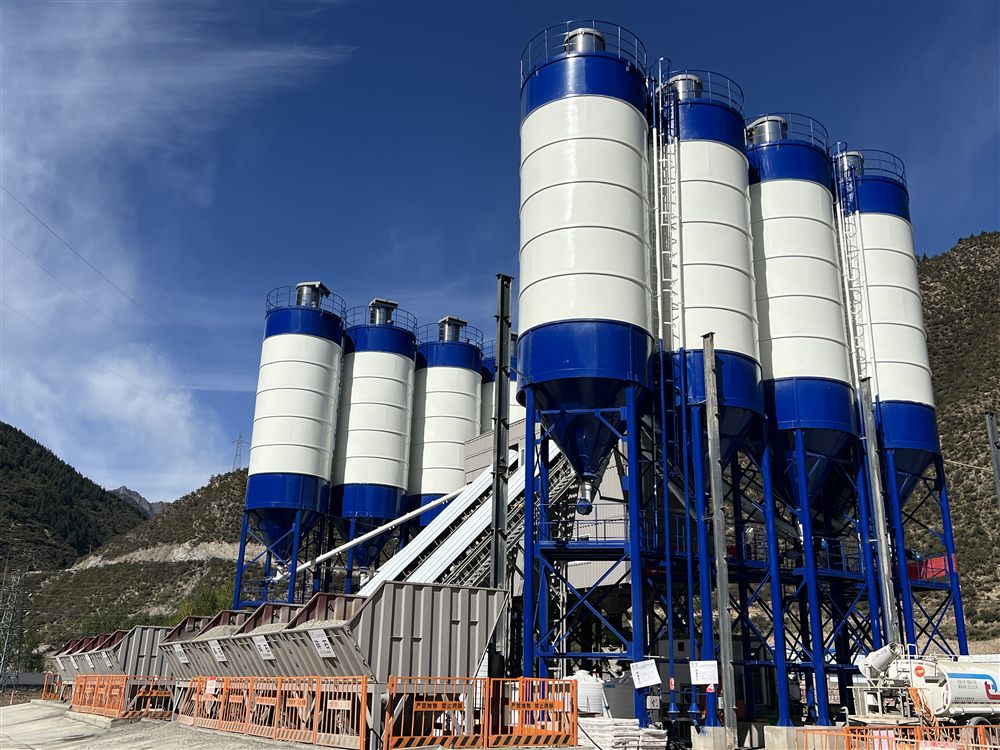
When HZS180 fits the project
HZS180 is normally selected for commercial ready-mix plants, large infrastructure projects and contractors who need strong peak output. A double-line project gives the buyer more production flexibility, but it also requires a more serious site plan and transport plan.
Configuration links to review
- Compare the case with the HZS180 flat-belt concrete batching plant specification.
- Check cement silo quantity, aggregate storage and truck loading direction before confirming the quotation.
- Review real project proof and export packing proof to reduce supplier risk.
Design the system around sustained dispatch
A double-line HZS180 layout can create a high theoretical rate, but commercial value comes from sustained truck departures. Aggregate replenishment, cement delivery, weigh-hopper recovery, mixer discharge and truck changeover must remain balanced. Before choosing two lines, calculate the required departure interval and confirm that the yard can stage arriving and loaded trucks without blocking the loader route.
Use 70% only as an early planning scenario
During commissioning and operator familiarization, planners may use about 70% of theoretical capacity as an initial scenario. Weather, aggregate moisture, recipe complexity, loader supply and dispatch can move the result in either direction. This is not a measured claim for the Turkey installation. A credible acceptance test needs a defined recipe, timed cycle, calibrated scales and a clear statement of excluded delays.
Single control point does not mean unattended production
A dual-line automation system may allow one experienced control operator to monitor recipes and batching from one control room. The site still needs people responsible for aggregate loading, truck dispatch, material receipt, quality testing and maintenance. The control design should define permissions, alarms, manual override and the safe response when one production line or a shared conveyor stops.
Quality-control and laboratory planning
A commercial ready-mix plant normally needs a quality-control process for incoming materials, aggregate moisture, fresh-concrete checks and specimen records. Whether a complete onsite laboratory is required depends on the customer contracts and applicable standards. Include sample storage, water, drainage and safe laboratory access in the site layout instead of adding them after the plant is installed.
Evidence to request before acceptance
- Scale calibration records and repeated test-batch results.
- Actual cycle timing with the agreed recipe and normal truck changeover.
- Alarm, emergency-stop and interlock checks for both lines.
- Operator training record, spare-parts list and maintenance handover.
Quotation information buyers should send
Send destination city in Turkey, target output, concrete type, number of mixer trucks, land size, cement storage demand, local voltage and expected startup date. Mikkino can then connect the HZS180 model, ready-mix plant solution and real project evidence into one practical quotation path.